Home Grown Gardening vs. Store-Bought: Which is Best for You? Learn How to Keep Produce Fresh!
I’m Lisa ~ your Cajun Kitchen Coach. Whether you grow it yourself or grab it at the store, you deserve produce that stays crisp and flavorful all week. With a few simple habits ~ and the right containers ~ you’ll see what you have, use what you buy, and waste less. That’s the Chaos to Cozy Kitchen System at work.
There are many reasons why someone might prefer homegrown vegetables over store-bought ones. Let’s take a closer look.
In addition, knowing how to keep produce fresh can greatly enhance your enjoyment of homegrown vegetables.
How to Keep Produce Fresh (Fast Guide)
- Sort by breathers vs. non-breathers: berries separate from greens; onions/garlic away from potatoes.
- Don’t wash till ready: moisture speeds spoilage for most berries/greens.
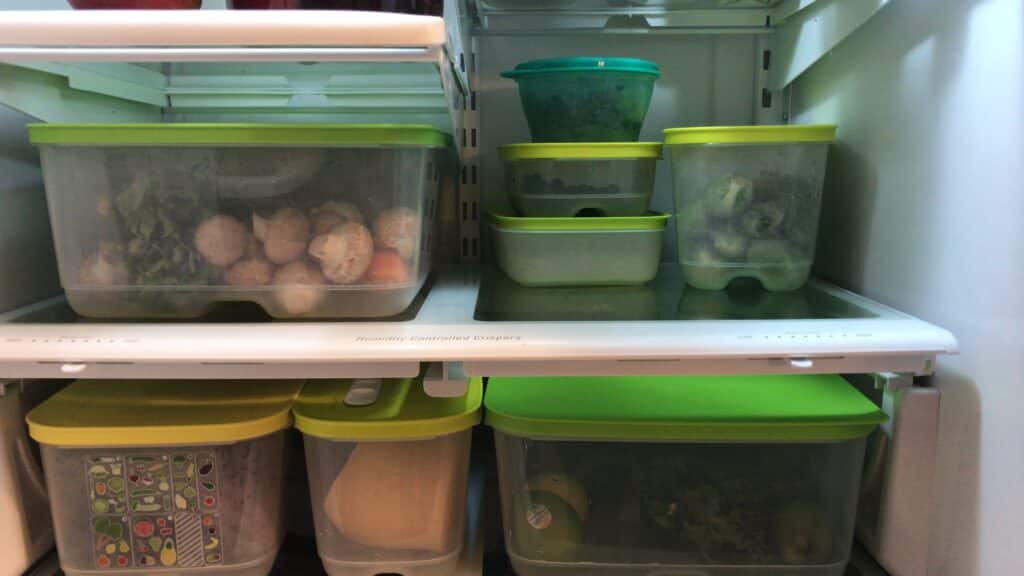
- Airflow matters: use containers with adjustable vents or slightly open lids for produce that “gasses off.”
- Go airtight for pantry items: carrots, celery sticks, and cut veg love a sealed home in the fridge.
- FIFO: oldest forward so nothing hides (and wilts).
Gardeners Harvest Fresher Vegetables with Better Taste:
Homegrown vegetables are fresher and taste better than store-bought options. They are picked at peak ripeness and consumed soon after, offering superior flavor. In contrast, store-bought vegetables are often harvested early and travel long distances, which can reduce their taste and freshness.
Control Growing Conditions for Healthier, Chemical-Free Vegetables:
Gardening lets you control growing conditions like soil, fertilizer, and pesticides (if any). As a result, you get vegetables that are free from chemical residues and packed with nutrients. Additionally, gardening teaches us about food seasonality. We learn when fruits and vegetables are at their best and how they grow. Seasonal eating not only enhances flavor but also encourages a healthy, diverse diet by incorporating a variety of fruits and vegetables.
Fresh Produce, Less Waste: Store Smarter to Save Money:
Some gardeners can grow many types of vegetables, including heirloom varieties and rare cultivars with unique flavors. More people are discovering the benefits of backyard (or front-yard) gardens. Not only do they improve health, but they also save money by growing their own produce. The average vegetable garden is just 600 square feet, yet gardeners enjoy fresh fruits, vegetables, and herbs. Curious about what you could grow in that space ~ and more?
Sustainable Gardening: Grow Vegetables, Reduce Waste, and Support the Ecosystem:
Gardening at home supports sustainability. It reduces transportation emissions, cuts down on packaging waste, and conserves water and energy. Sustainable gardening combines organic practices with resource conservation, benefiting the ecosystem and minimizing our impact on the earth. Root vegetables like carrots, radishes, and beets are perfect for beginners. These hardy crops can be directly sown in the ground, and their greens are great for salads, helping reduce food waste.
Gardening Promotes Health, Connection, and a Deeper Appreciation for Food:
Gardening encourages us to eat more fruits and vegetables, which helps promote health and prevent chronic diseases. Growing vegetables at home is a rewarding experience. It allows you to nurture plants from seed to harvest, fostering a deep sense of accomplishment and connection to the earth. By being mindful of where our food comes from and participating in the entire process—from planting to harvesting—we develop a stronger appreciation for the origins of our food.
Home Gardening Saves Money and Provides Fresh Produce Year-Round:
Setting up a home garden may require some initial investment, but the long-term savings are substantial. Growing your own vegetables saves money compared to buying them from the store, especially if you garden on a larger scale or preserve excess produce. The cost of starting canning ranges from $100 to $250, but it’s a great investment that can save you thousands annually. Start with basic equipment, and as you save, you can upgrade your tools.
Why I use FridgeSmart: The adjustable vent system helps regulate airflow and moisture so different fruits and veggies get the environment they prefer. Clear walls = instant visibility; stackable design = more space; less waste = more dollars back in your pocket.
The Health and Environmental Benefits of Gardening and Homegrown Vegetables:
Gardening is a physically active hobby that provides exercise, fresh air, and boosts overall health. Eating homegrown vegetables, free from harmful chemicals, can also improve health outcomes. The benefits of vegetable gardening combine nutrients, sunshine, and exercise. Studies show that gardeners are more likely to eat more vegetables, which are rich in calcium, vitamin A, potassium, and fiber.
Homegrown vegetables are preferred for their superior taste, control over cultivation, sustainability, and the deeper connection they foster to the food we eat and the environment where it’s grown.
When your produce lasts longer and supper feels simpler, everything shifts.
Begin with one small win.
👉 Grab the free 10-Minute Flatbread & step into the Chowline here.